More Blog & Articles
Explore Other Blog
Get in touch
Innovative Solutions for agriculture
Why Nigerian-Grown Rice Is the Future: Inside Sagad Farms’ Modern Production Process
Dec 1, 2025
Why Nigerian-Grown Rice Is the Future
Rufai Adbul
Why Nigerian-Grown Rice Is the Future: Inside Sagad Farms’ Modern Production Process
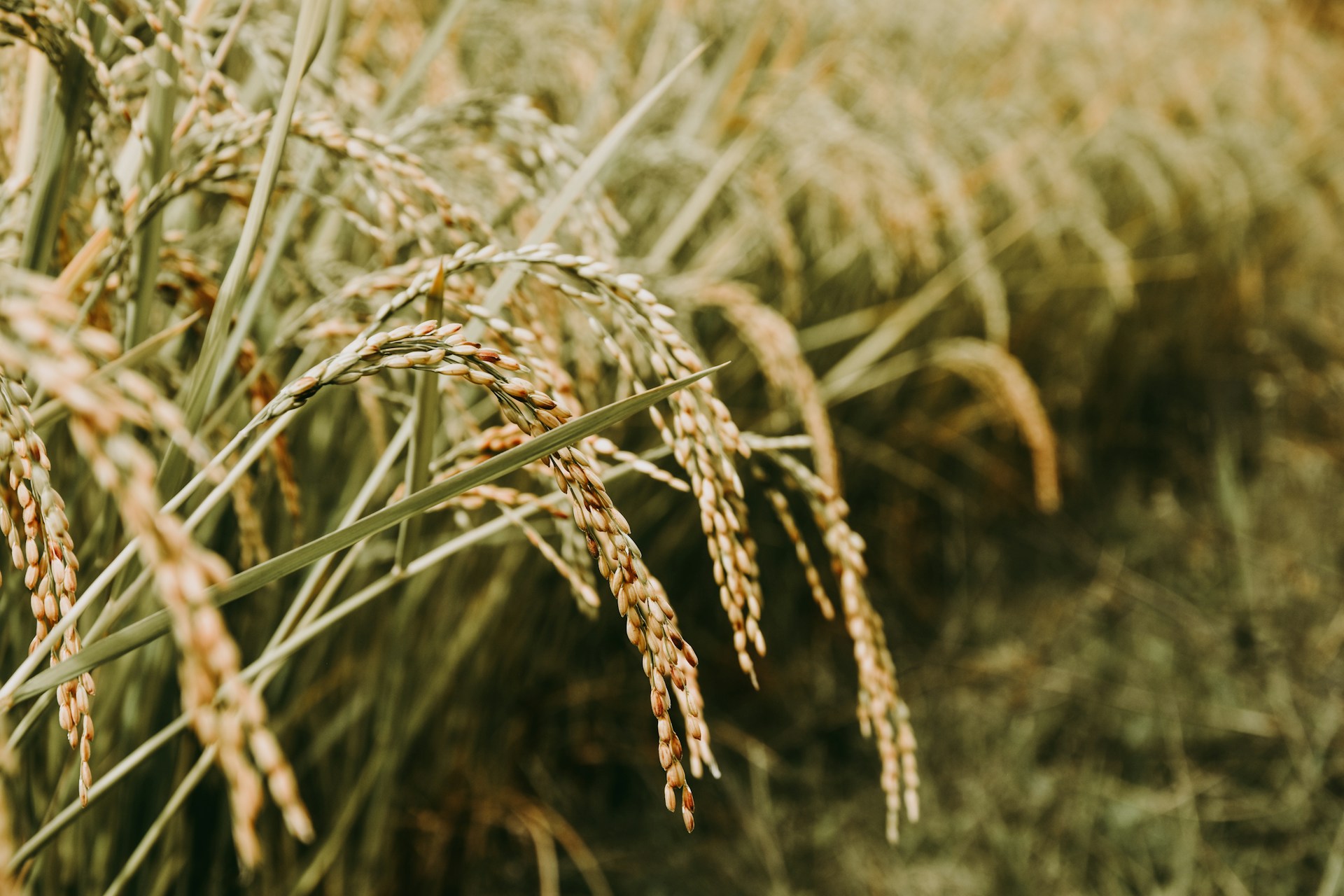
For decades, Nigeria relied heavily on imported rice. Markets were filled with foreign brands that many consumers believed were superior in quality. But over the past few years, the narrative has changed dramatically. Nigerian-grown rice is rising—both in quality and in demand—and local producers like Sagad Farms are at the heart of this transformation.
As Nigeria pushes toward agricultural self-sufficiency, innovations in rice farming are reshaping the landscape. Sagad Farms, one of the emerging leaders in premium rice production, is proving that local rice can match—and even surpass—the quality of imported varieties. In this article, we explore why Nigerian-grown rice is the future and how Sagad Farms’ modern production process is setting new industry standards.
1. The Shift Toward Locally Grown Rice
Nigerians have become more aware of the importance of supporting local agriculture. Rising import costs, foreign exchange fluctuations, and government bans on imported rice through land borders have encouraged consumers to consider locally grown alternatives. However, the appeal goes far beyond economics.
Local rice producers now offer:
Fresher products straight from farm to table
Better nutrition due to reduced processing time
More transparency in farming and milling practices
Support for local farmers and rural communities
This shift has created a new generation of Nigerian rice brands—and Sagad Farms stands out by focusing on quality, consistency, and innovation.
2. Sagad Farms: A Modern Approach to Rice Production
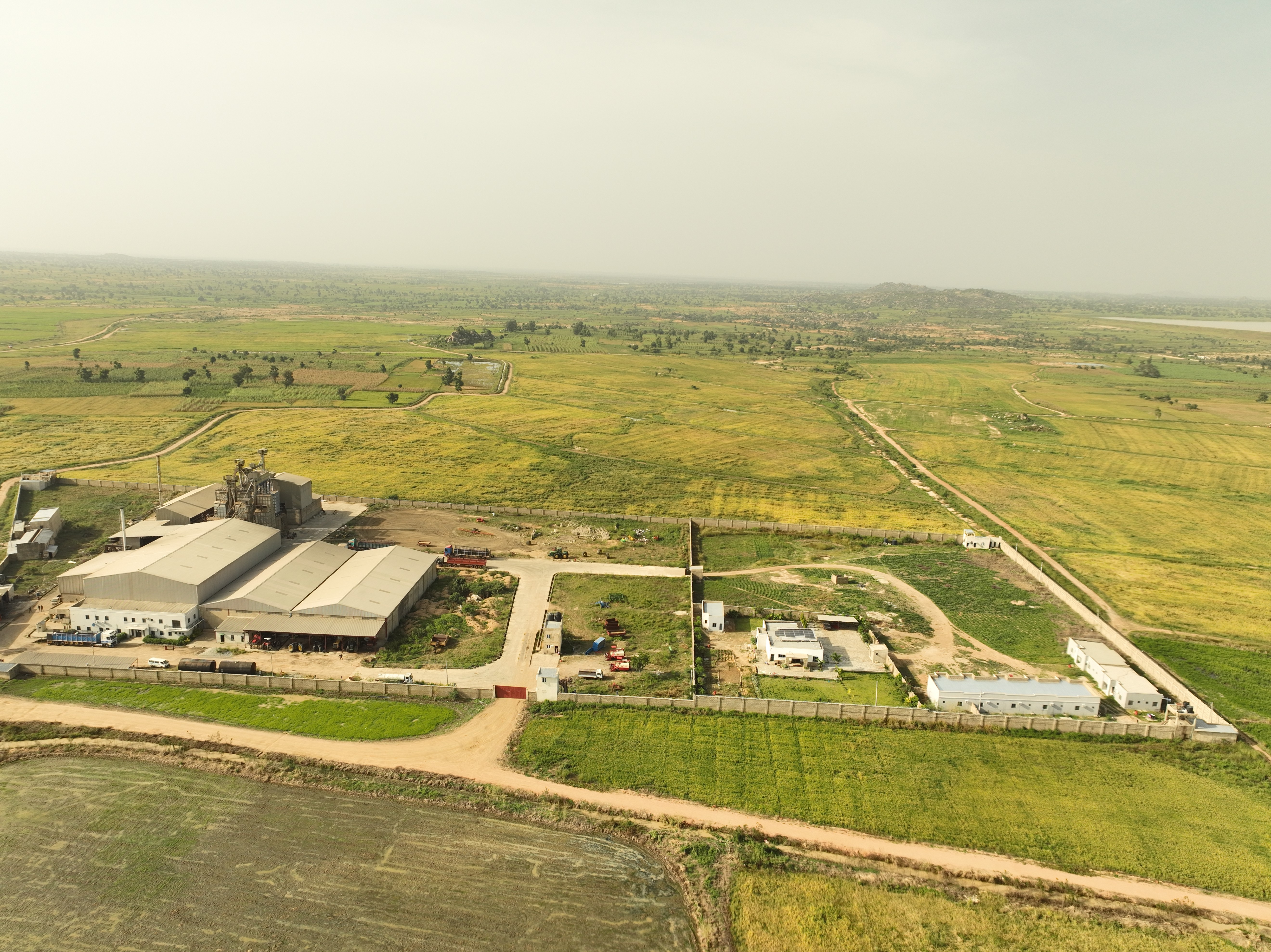
At Sagad Farms, rice is not just a crop—it is a commitment to excellence. The company combines agricultural expertise, modern irrigation systems, high-yield seed varieties, and strict quality control to produce premium rice for Nigerian households and businesses.
Located in fertile farming zones ideal for rice cultivation, Sagad Farms benefits from rich soil, abundant sunlight, and consistent water supply. But the farm’s true strength lies in its methodical, science-driven approach to production.
3. Land Preparation: Where Quality Begins
High-quality rice starts long before planting. Sagad Farms begins with careful land preparation to ensure the soil is nutrient-rich and levelled for optimal water distribution.
The process includes:
Soil testing: Determines the right balance of nutrients
Land clearing: Removes weeds and old roots
Laser leveling: Ensures even water flow across the fields
Organic matter enrichment: Improves fertility naturally
By taking land preparation seriously, Sagad Farms increases crop yield, improves grain quality, and reduces the need for chemical pesticides.
4. Seed Selection: Choosing the Best for Nigerian Soil
Seeds determine the destiny of the harvest. Sagad Farms works with improved and certified seed varieties that are well-suited for Nigeria’s climate. These seeds offer:
High yield potential
Natural resistance to pests and diseases
Excellent grain length and texture
Faster maturity cycles
Using certified seeds ensures consistency—a key factor that separates premium rice from ordinary varieties.
5. Planting and Irrigation: Precision at Work
Sagad Farms uses modern planting techniques that ensure even seed distribution. Instead of random broadcasting, planting is done with planning and precision, leading to stronger, healthier rice plants.
Water is equally important. The farm employs:
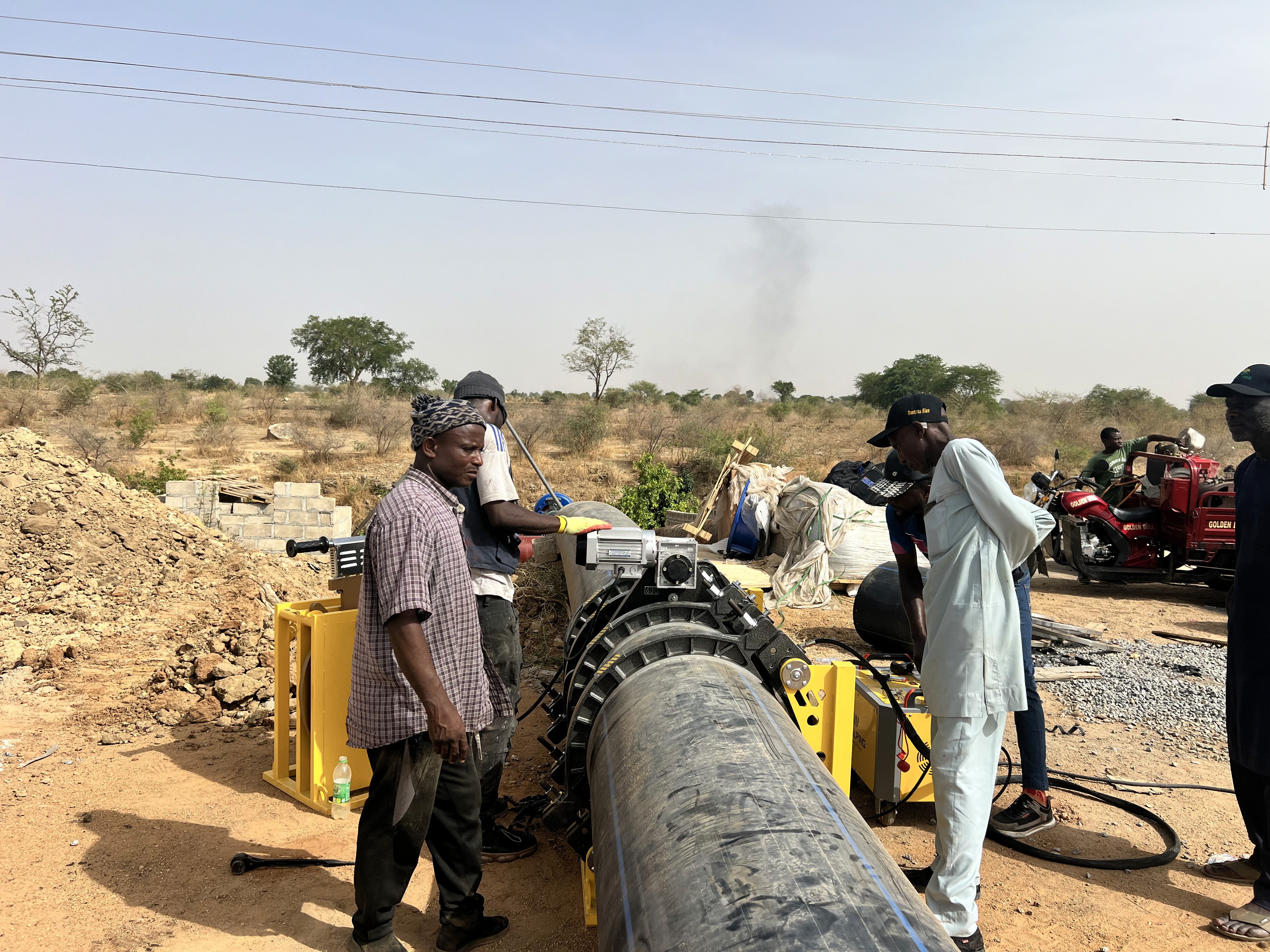
Controlled irrigation systems
Drainage channels to prevent flooding
Efficient water recycling methods
The goal is to give the rice plant exactly what it needs—no more, no less. This protects the plant from stress and produces grains that cook evenly and taste better.
6. Crop Management and Protection
Throughout the growing season, Sagad Farms closely monitors plant health. The farm’s agronomy team inspects fields weekly, looking for early signs of disease or pest activity.
To ensure a healthy crop, the team uses:
Environment-friendly pest control
Balanced fertilizers applied based on soil needs
Timely weeding to prevent competition for nutrients
Drone and on-ground inspections for rapid detection
This combination of technology and expertise leads to clean, long-grain rice with no hidden impurities.
7. Harvesting: Timing Matters
A major difference between high-quality and low-quality rice is when it is harvested. If rice is harvested too early, it becomes chalky and breaks easily during milling. Too late, and moisture affects taste and texture.
Sagad Farms harvests rice at exactly the right moment—when the grains have matured and the moisture content is optimal. This results in:
Better grain structure
Higher milling recovery
Premium-looking long grains
Naturally preserved flavor
The farm uses a mix of mechanical and manual harvesting, ensuring precision with a personal touch.
8. Modern Milling for Premium Quality
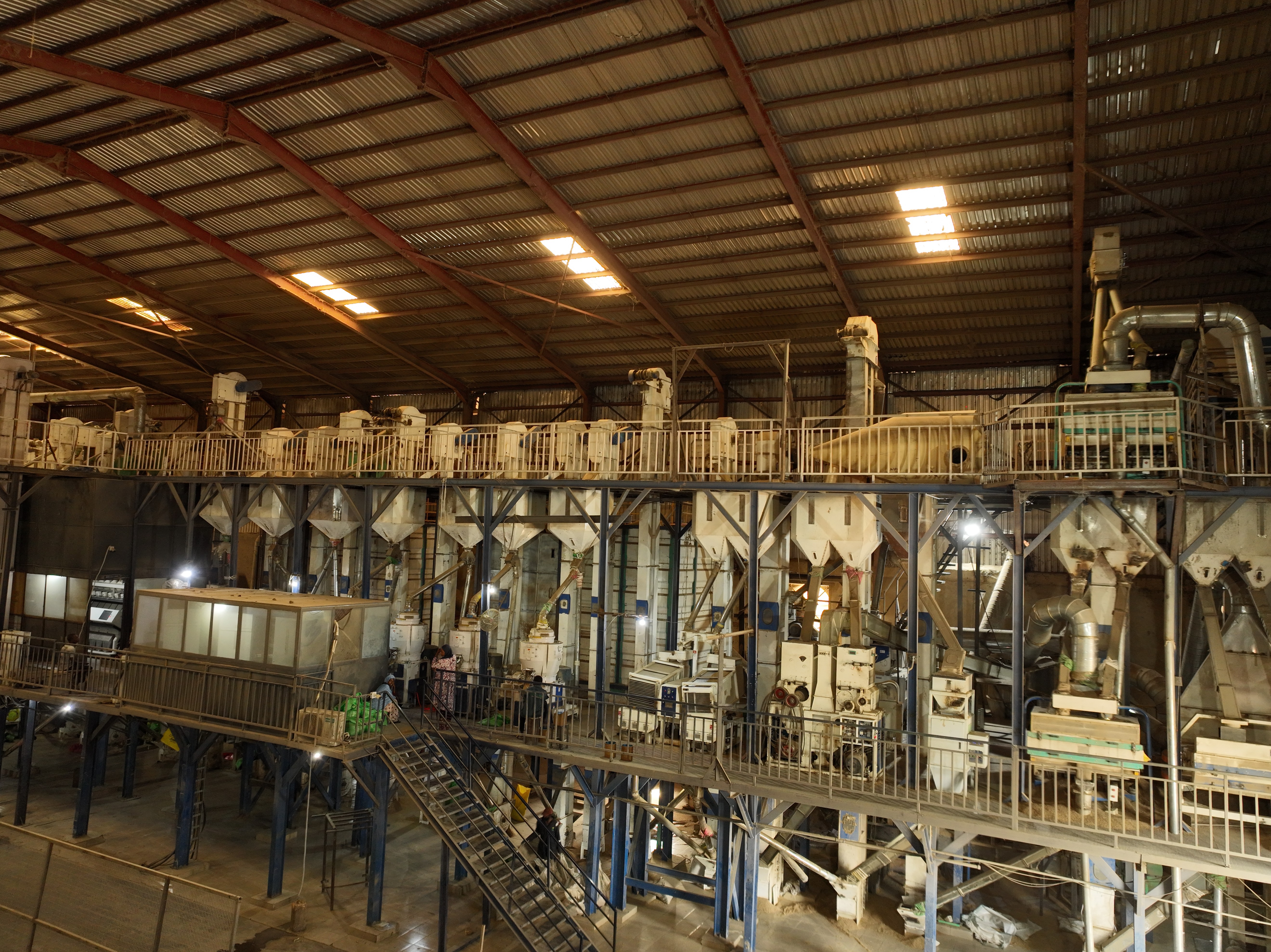
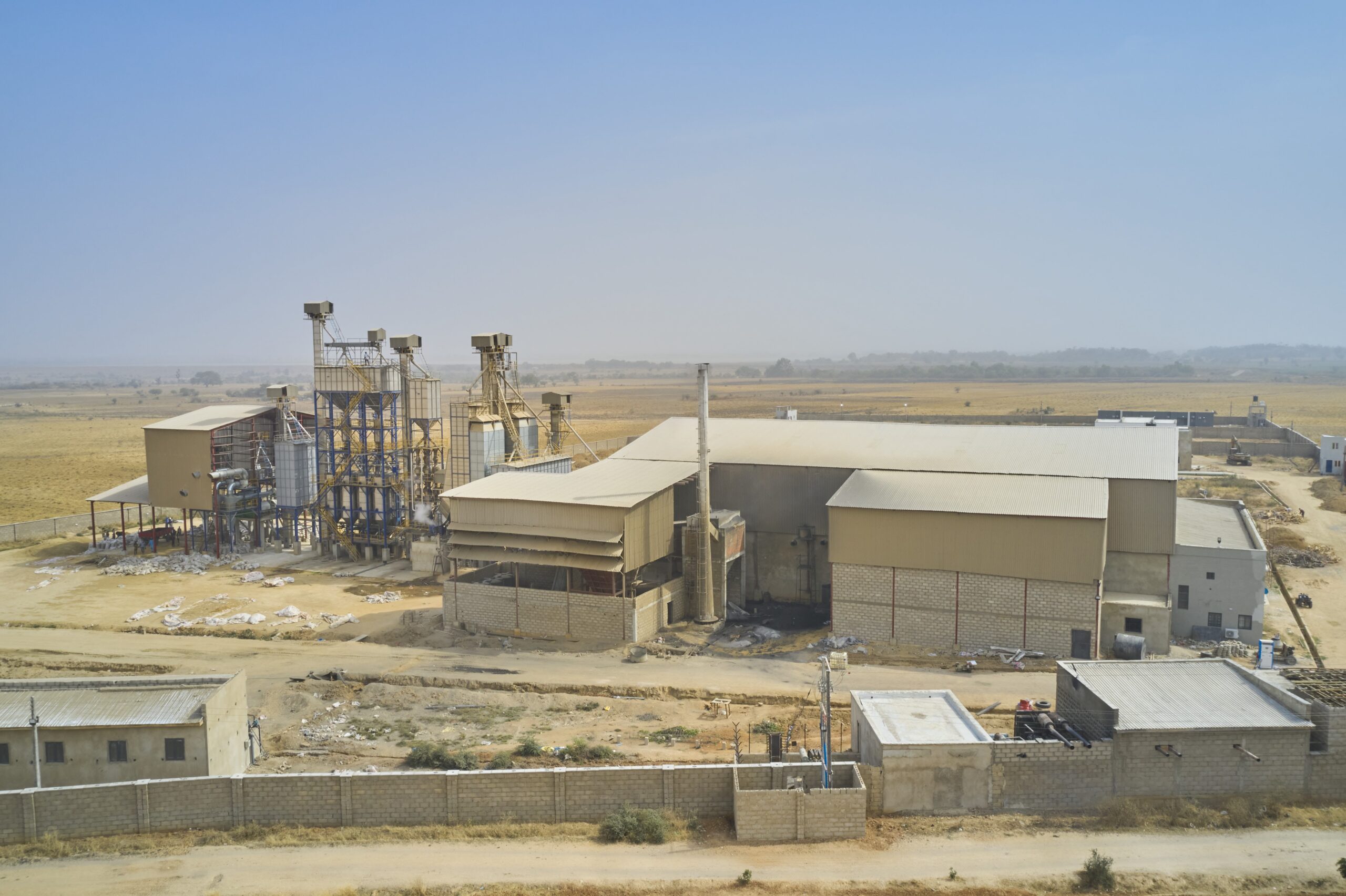
Once harvested, the rice moves to Sagad Farms’ modern milling facility. This is where skill meets technology.
The milling process includes:
Cleaning: Removing stones, dust, and broken grains
De-husking: Removing the tough outer layer
Polishing: Giving the rice a clean, bright finish
Grading: Sorting rice into premium categories
Quality testing: Checking moisture, texture, and purity
Each batch passes through strict quality control to make sure customers receive only the best. The result is the signature Sagad Farms rice—clean, long-grain, and perfect for everyday meals or special occasions.
9. Packaging and Distribution: Freshness Sealed
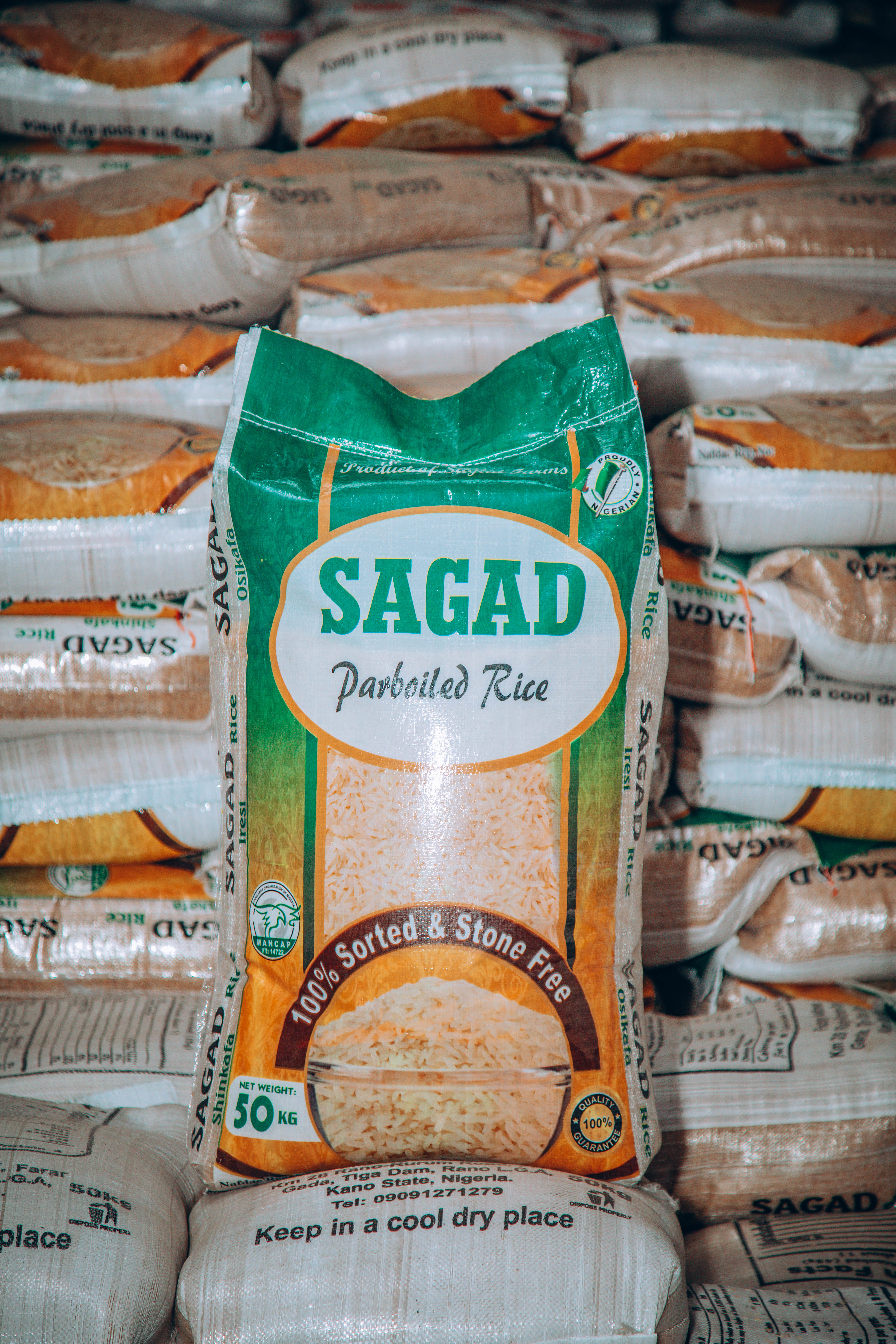
Quality rice deserves quality packaging. Sagad Farms uses durable, airtight bags that keep the rice fresh, dry, and safe from contamination. Packaging is available in consumer-friendly sizes, from small kitchen packs to wholesale bags for businesses.
Distribution is handled efficiently across Nigeria, ensuring that customers receive freshly milled rice without long storage delays that could affect quality.
10. Why Nigerian-Grown Rice Is the Future
There are several compelling reasons why local rice—especially from trusted producers like Sagad Farms—is the future of Nigerian households:
1. Superior Freshness
Locally grown rice reaches consumers faster, preserving its natural aroma and taste.
2. Economic Impact
Buying Nigerian-grown rice strengthens the economy, boosts local employment, and supports agricultural development.
3. Food Security
The more Nigeria produces locally, the less the country depends on imports.
4. Modern Production Techniques
Innovative farms like Sagad are showing that Nigeria can produce world-class rice.
5. Sustainability
Local cultivation reduces carbon footprints associated with long-distance imports and encourages responsible farming.
Conclusion
Nigerian-grown rice is not just a trend—it is a movement. A movement toward self-sufficiency, quality, and national pride. Sagad Farms stands at the forefront of this change, combining modern agricultural techniques with a commitment to producing rice that Nigerian families can trust.
As consumers become more conscious of where their food comes from, the future belongs to brands that prioritize quality, transparency, and community impact. Sagad Farms is doing exactly that—one grain at a time.
