More Blog & Articles
Explore Other Blog
Get in touch
Innovative Solutions for agriculture
From Seed to Bag: How Sagad Farms Produces Premium-Quality Rice
Dec 1, 2025
From Seed to Bag
Rufai Adbul
From Seed to Bag: How Sagad Farms Produces Premium-Quality Rice
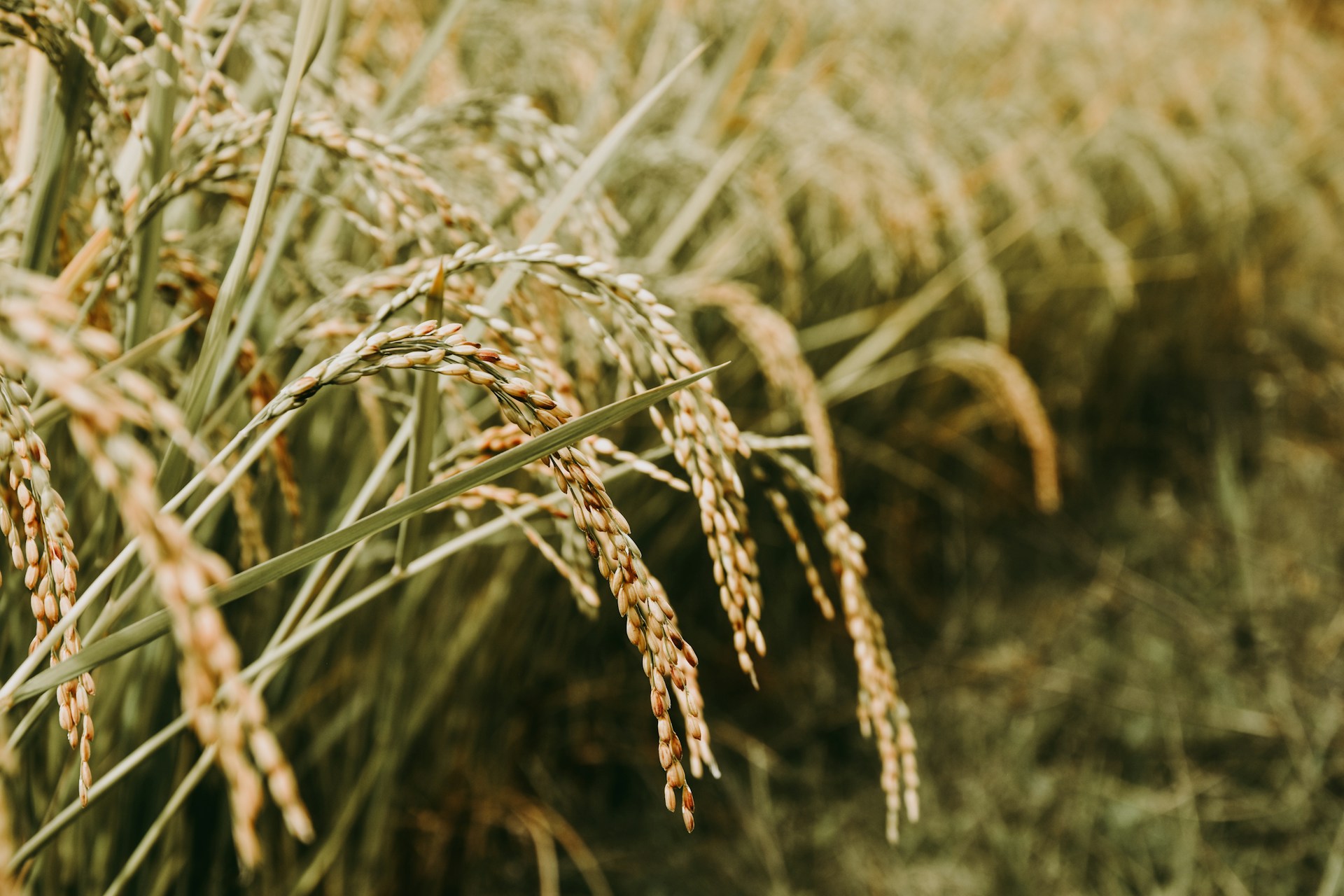
Rice is one of the most consumed foods in Nigeria, served in millions of homes every day—from festive jollof to simple weekday meals. Yet, behind every bag of rice lies a detailed, carefully managed process. At Sagad Farms, producing premium-quality rice is not an accident—it is the result of precision, planning, technology, and a deep respect for the land.
This article takes you through the full journey of Sagad Farms rice, from planting the very first seed to sealing the finished product in high-quality bags ready for kitchens, restaurants, and markets across Nigeria.
1. Understanding the Sagad Farms Philosophy
Before diving into the production stages, it’s important to understand what guides the farm’s operations.
At Sagad Farms, the philosophy is simple:
Quality is grown, not added.
This means premium rice must be nurtured from the earliest stage—not just polished at the end. The farm approaches rice cultivation as a long-term investment in soil health, seed genetics, community development, and sustainable farming methods. Every step is intentional, ensuring that the final product carries the purity, length, aroma, and consistency Sagad Farms is known for.
2. Soil Testing & Land Preparation: Setting a Strong Foundation
Many people underestimate how important soil preparation is to rice quality. At Sagad Farms, this is one of the most meticulously handled stages.
Soil Testing
Agronomists collect soil samples and test them for:
pH levels
Nutrient composition
Organic matter
Water retention ability
The results determine how the land will be prepared. If nutrients are low, organic fertilizers are added. If pH needs correcting, the soil is treated to achieve balance.
Land Clearing
The fields are cleared of shrubs, old roots, and leftover plant materials. This ensures that nothing interferes with seed growth.
Laser Levelling
Sagad Farms uses advanced techniques such as laser-guided leveling. This helps distribute water evenly across the paddies—an essential condition for rice crops.
A well-prepared field leads to:
Higher yield
Reduced weed growth
Better grain uniformity
More efficient irrigation
This is the unseen foundation of every premium grain that eventually ends up in Sagad Farms’ bags.
3. Seed Selection: Choosing the Best of the Best
The second secret to producing premium rice is using high-quality seeds. Sagad Farms partners with certified seed suppliers and agricultural institutes to access improved seed varieties.
What Makes a Superior Rice Seed?
High germination rate
Natural resistance to pests and diseases
Long-grain structure
High milling recovery
Good cooking quality
Sagad Farms selects varieties that thrive in Nigeria’s climate and meet consumers’ expectations for taste and texture. This careful selection makes sure that the rice will develop into strong, healthy plants with minimal losses.
4. Planting: Precision That Ensures Strong Germination
Once the land and seeds are ready, planting begins. Sagad Farms uses two methods depending on the season and field structure:
Direct Seeding
Seeds are planted directly into the field using calibrated machines that ensure even spacing. This prevents overcrowding and gives each plant proper access to sunlight and nutrients.
Transplanting
Seedlings are first grown in nursery beds. When they reach a certain height, they are transplanted into the main field. This method ensures uniform growth and stronger root systems.
The planting stage is handled by trained technicians who monitor moisture, spacing, and seed depth. A uniform field at this stage guarantees a uniform harvest.
5. Irrigation & Water Management: Keeping the Fields in Perfect Balance
Rice requires a consistent and carefully managed supply of water. Too much water leads to crop diseases; too little reduces yield. Sagad Farms uses:
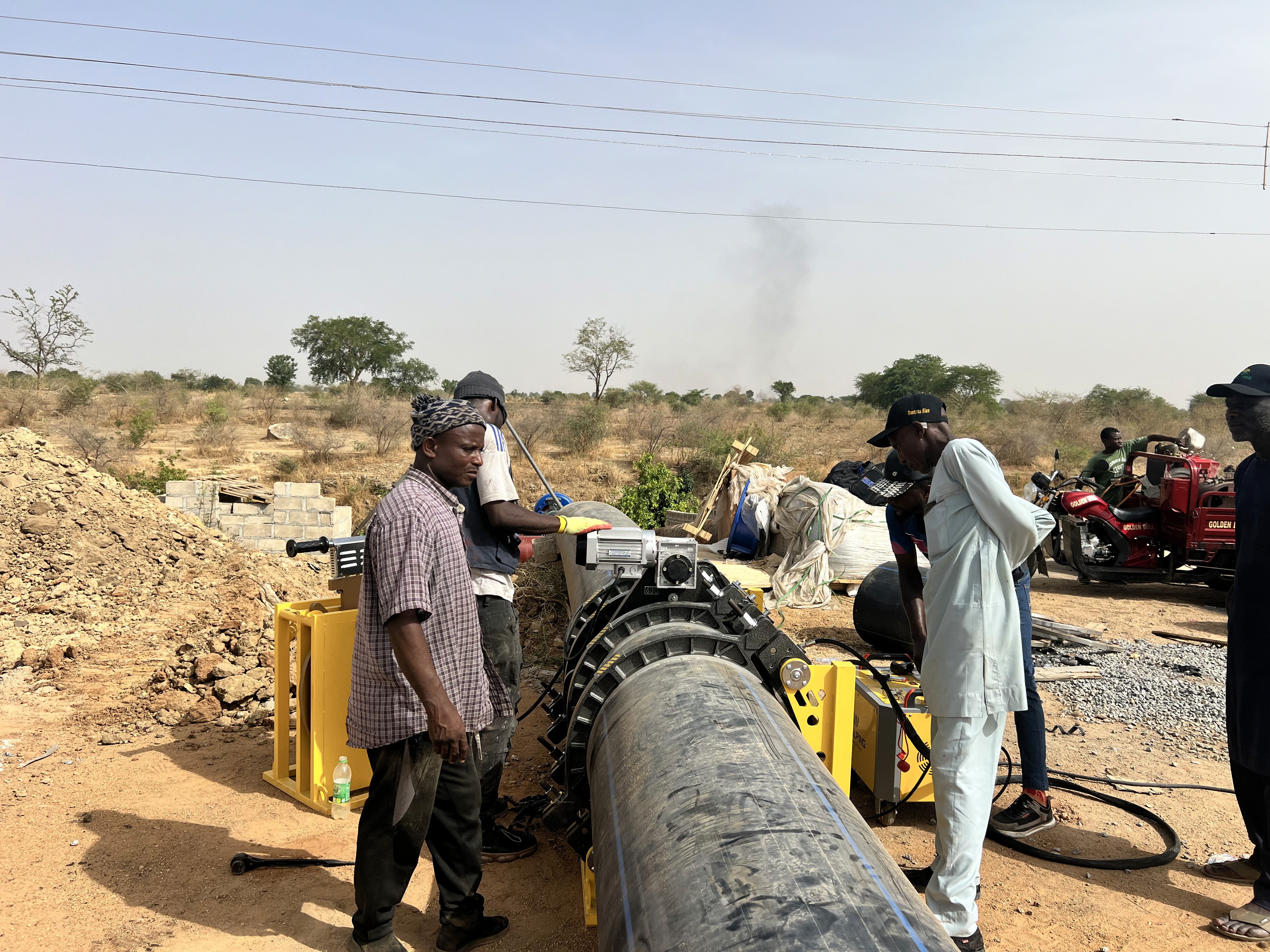
Controlled irrigation channels
Adjustable water inlets and outlets
Regular field monitoring
Seasonal water conservation methods
The goal is to keep the rice paddies at just the right moisture level to support steady, vigorous growth.
Proper water management leads to:
Healthy roots
Strong stems
Uniform grain development
Reduced weed pressure
6. Crop Protection & Field Management: Safeguarding the Plants
During the growing season, Sagad Farms’ agronomy team monitors the crop daily. They look out for early signs of:
Pest infestation
Fungal diseases
Nutrient deficiencies
Weed invasion
Environmentally Conscious Protection
Instead of relying heavily on chemical pesticides, Sagad Farms uses:
Biological control methods
Targeted spraying only when necessary
Timely weeding
Organic soil enrichment
This ensures that the rice remains safe, clean, and healthy—both for the consumer and the environment.
7. Harvesting at the Perfect Moment
Harvesting is one of the most critical steps in the entire process. If rice is harvested too early, it becomes chalky and breaks easily during milling. If harvested too late, it loses moisture and cooking quality.
Sagad Farms harvests rice when:
The grain moisture content is optimal
The plants have matured fully
The field conditions are favourable
Harvesting Techniques
The farm uses a combination of:
Modern mechanical harvesters
Skilled manual cutters in delicate field areas
This hybrid method protects grain integrity while ensuring efficiency.
8. Milling: Transforming Raw Paddy into Premium Rice
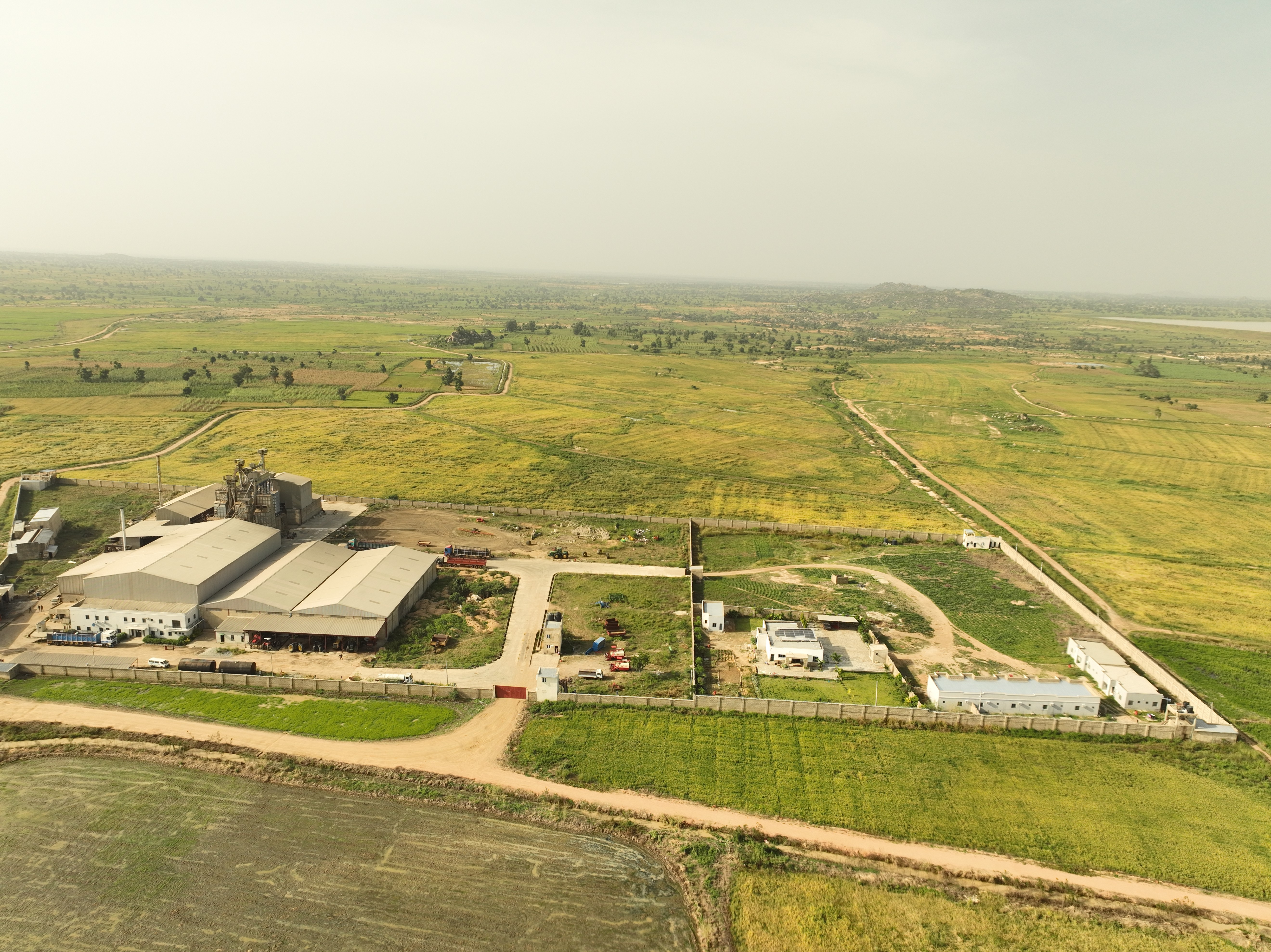
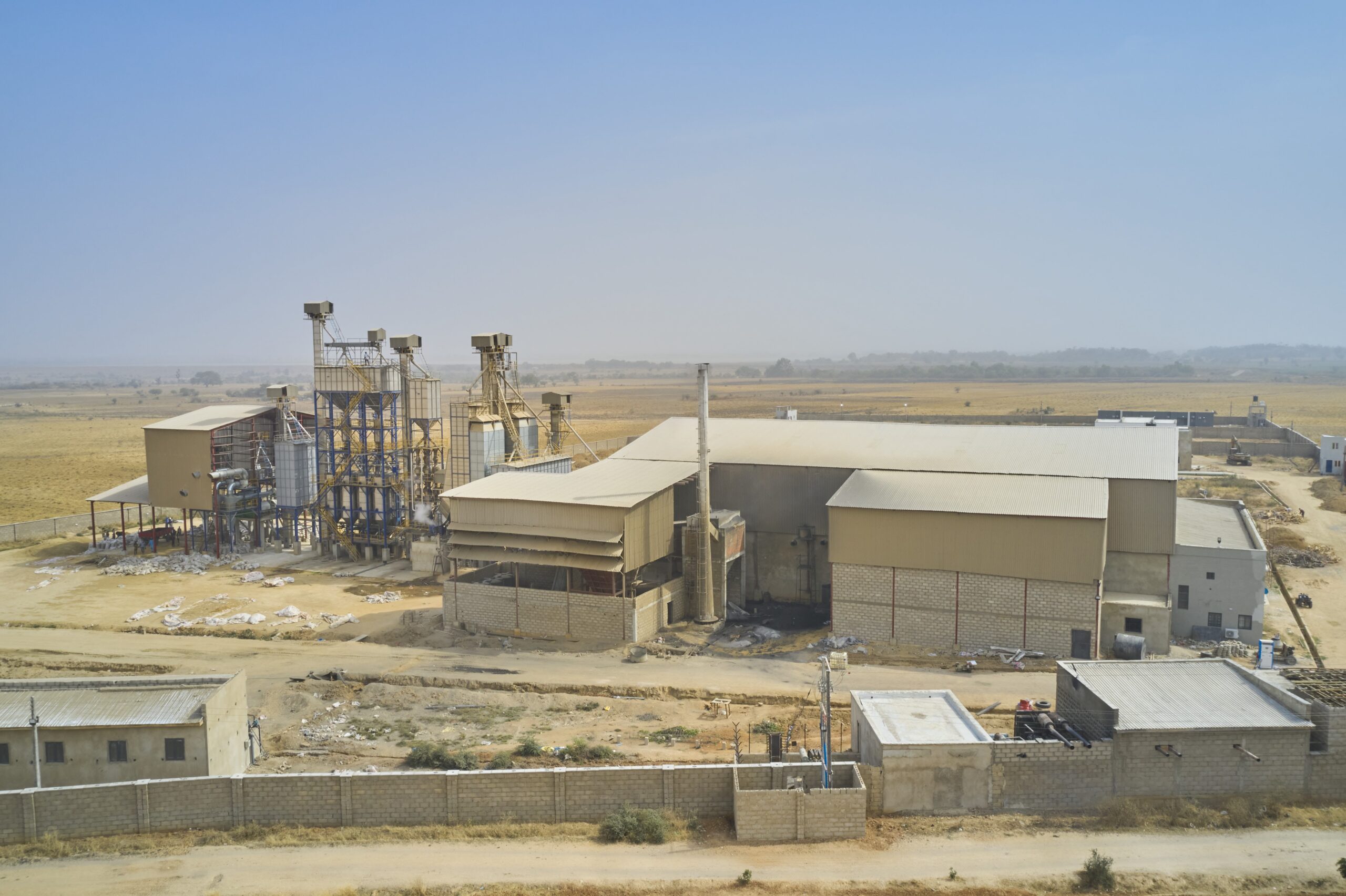
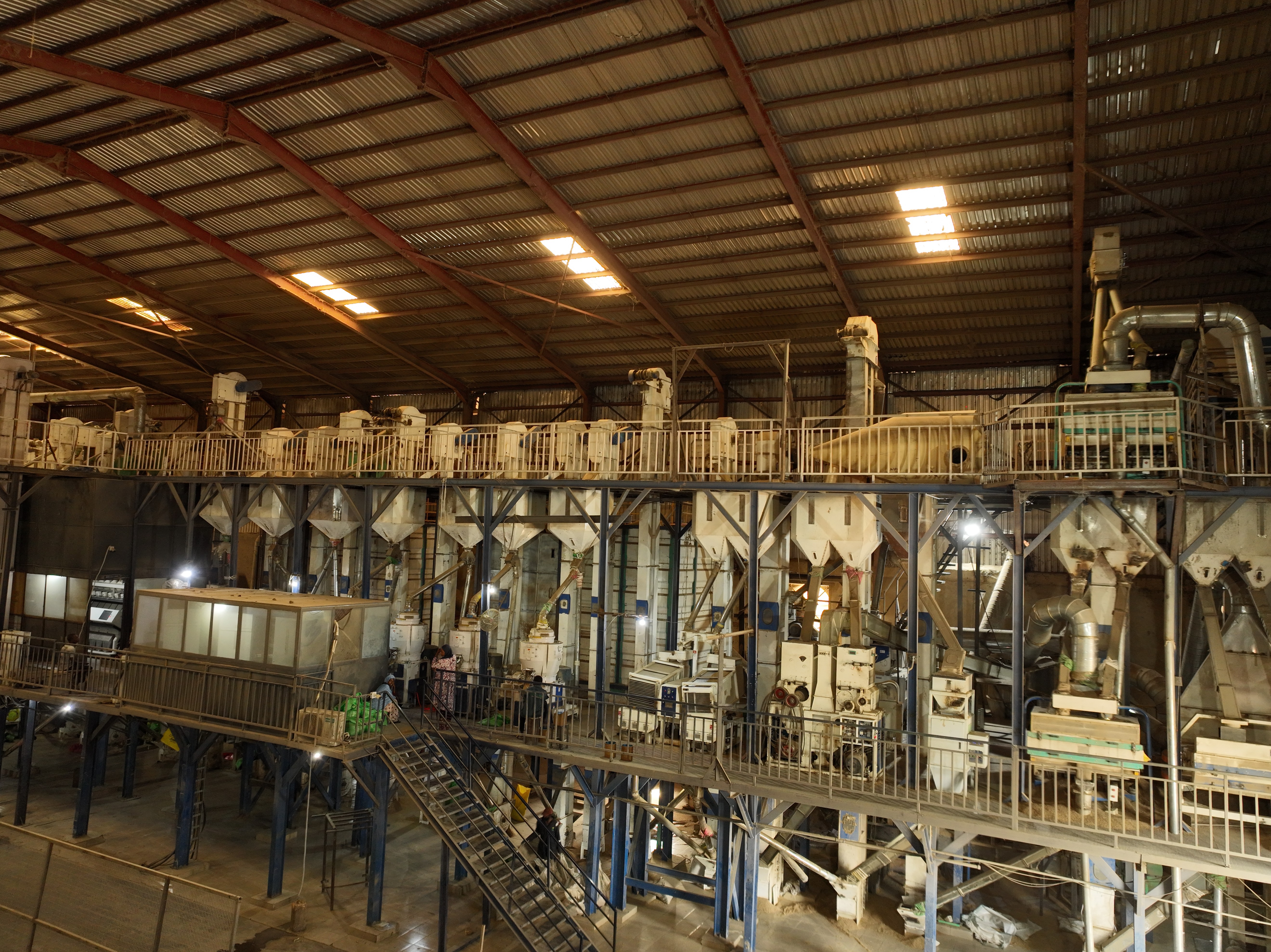
Once harvested, the rice is transported to Sagad Farms’ modern milling facility. Here, technology takes over.
Cleaning
Raw paddy is cleaned to remove:
Stones
Sand
Dust
Hulls
Broken grains
De-Husking
Machines gently remove the tough outer husk while keeping the grain intact.
Polishing
The rice is polished to achieve its bright, appetizing appearance.
Grading
Rice is sorted by length and size, ensuring only premium long grains go into Sagad’s top-tier product lines.
Quality Assurance
Each batch is tested for:
Moisture content
Purity
Grain length
Taste and aroma
Cooking performance
This strict quality control ensures customers get rice that is consistently clean and premium.
9. Packaging: Fresh Rice, Safely Sealed
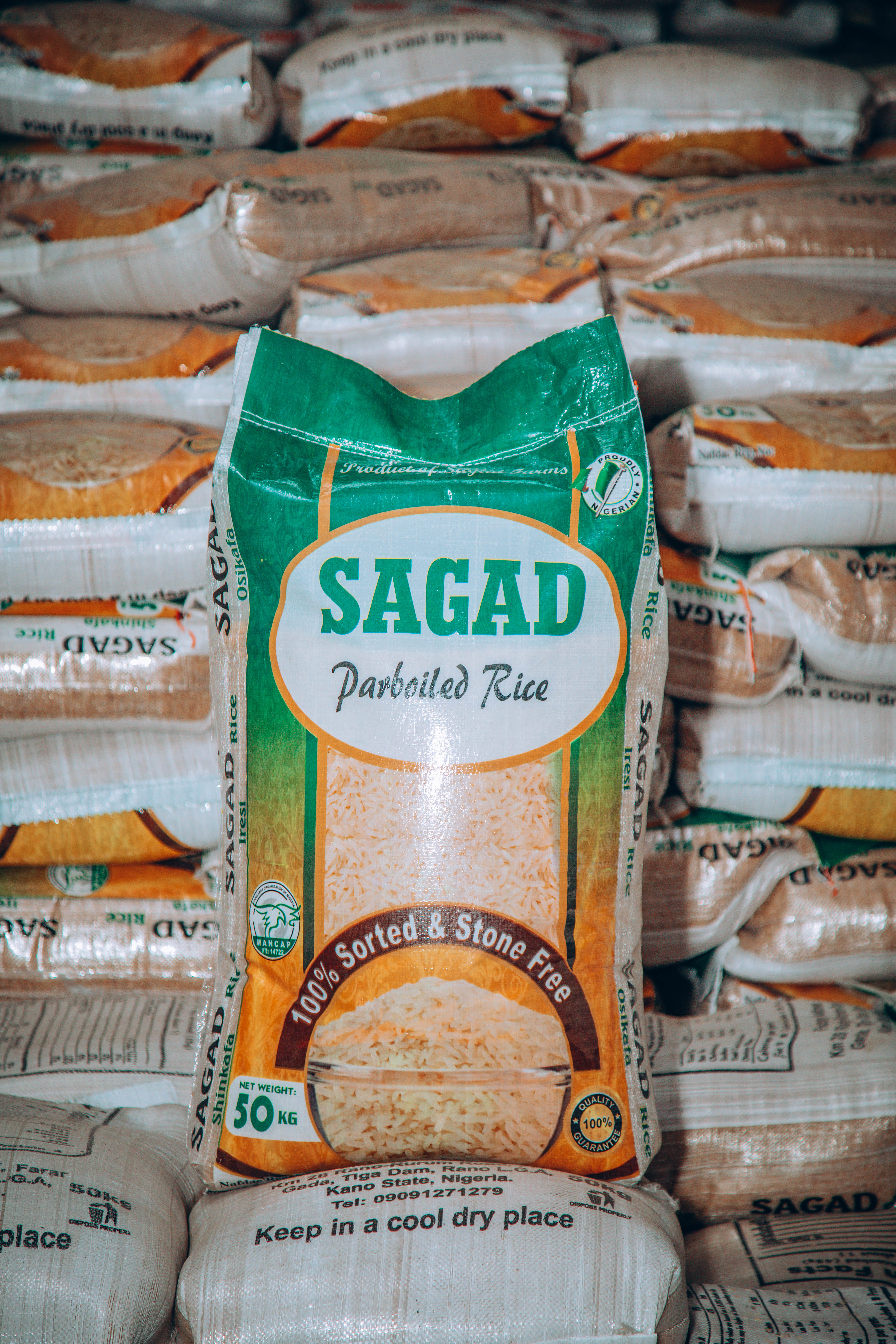
Once the rice passes quality checks, it moves to packaging. Sagad Farms uses:
Airtight, durable bags
Moisture-resistant materials
Hygienic sealing technologies
Packaging sizes range from 5kg to 50kg, serving:
Households
Restaurants
Retail stores
Wholesalers
Each bag is sealed with freshness, purity, and quality assurance—ready for distribution.
10. Distribution: Delivering Freshness Across Nigeria
The final stage of the rice journey is distribution. Sagad Farms works with a network of retailers, logistics partners, and wholesalers to ensure rice reaches customers efficiently and without long storage delays.
By keeping distribution fast and organized, Sagad Farms maintains the natural flavour and aroma of freshly milled rice.
Conclusion: Premium Quality Doesn’t Happen by Chance
From seed selection to packaging, every step in Sagad Farms’ rice production process is designed to deliver excellence. The farm’s commitment to precision agriculture, sustainability, and continuous innovation ensures that every bag of Sagad rice represents the highest standard of Nigerian-grown quality.
This is the journey that transforms a single seed into a product trusted by thousands of homes and businesses.
At Sagad Farms, premium rice isn’t just produced—it’s crafted with care, technology, and passion.
