More Blog & Articles
Explore Other Blog

Get in touch
Innovative Solutions for agriculture
How Sagad Farms Supports Nigerian Farmers and Rural Communities
Dec 1, 2025
How Sagad Farms Supports Nigerian Farmers and Rural Communities
Rufai Adbul
How Sagad Farms Supports Nigerian Farmers and Rural Communities
Agriculture remains one of the strongest pillars of Nigeria’s economy, employing millions and feeding households nationwide. Yet, many rural farmers still struggle with limited access to modern tools, unstable markets, irregular income, and low yields. As Nigeria pushes toward greater food security—especially in rice production—forward-thinking agricultural companies are stepping in to bridge these gaps.
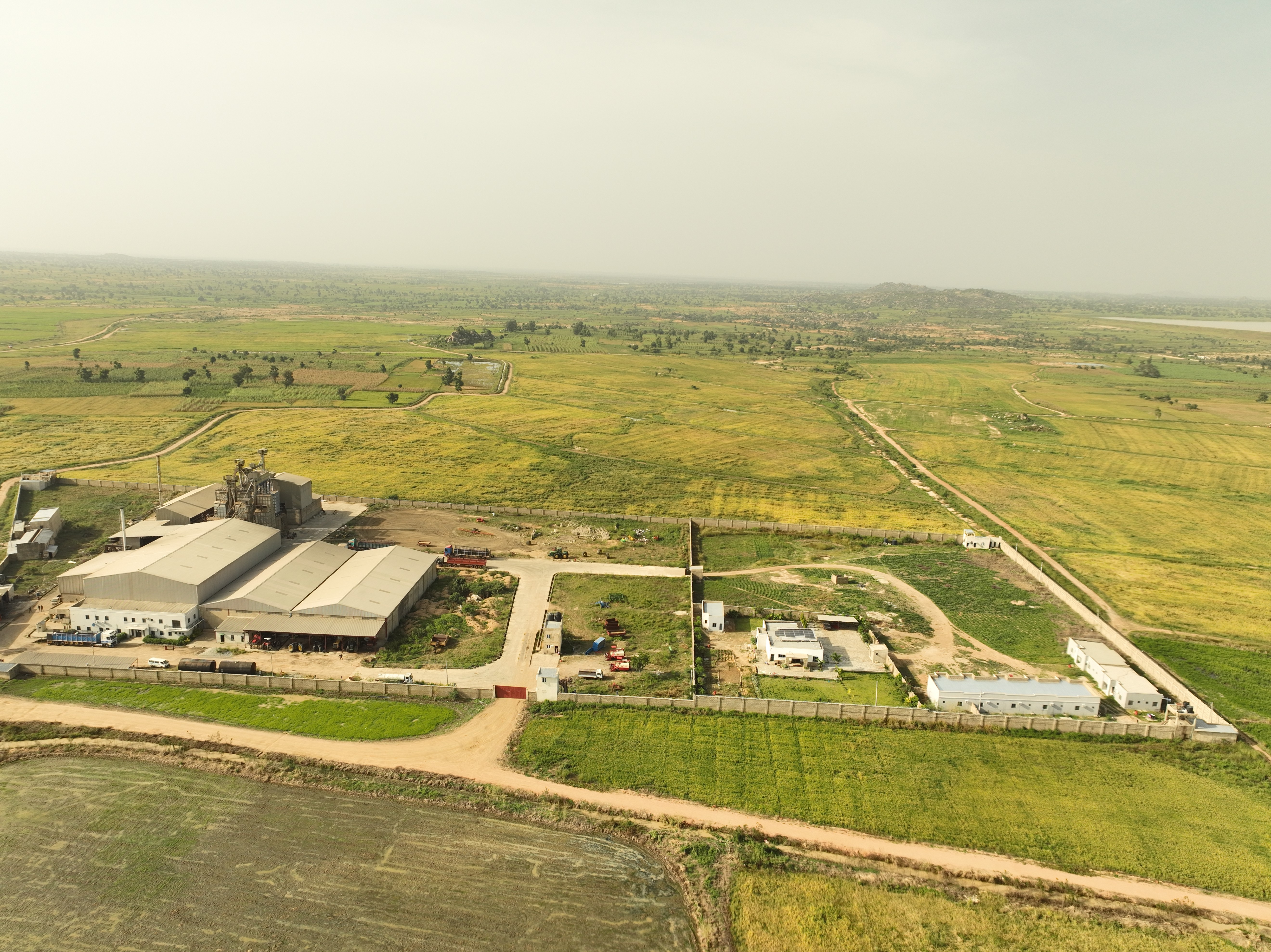
One of the organisations making a significant impact is Sagad Farms, a modern rice-producing company dedicated not only to delivering premium-quality rice but also to uplifting the communities that make this possible. For Sagad Farms, farming is more than a business—it is a vehicle for empowerment, development, and long-term national growth.
This blog explores the many ways Sagad Farms supports Nigerian farmers and rural communities, and how these efforts are shaping a stronger and more sustainable agricultural landscape.
1. Creating Direct Employment Opportunities
Rural communities often face limited job options outside of farming. Sagad Farms has become a major employer across its regions of operation, providing jobs in areas such as:
Field preparation
Irrigation management
Seedling nurseries
Harvesting
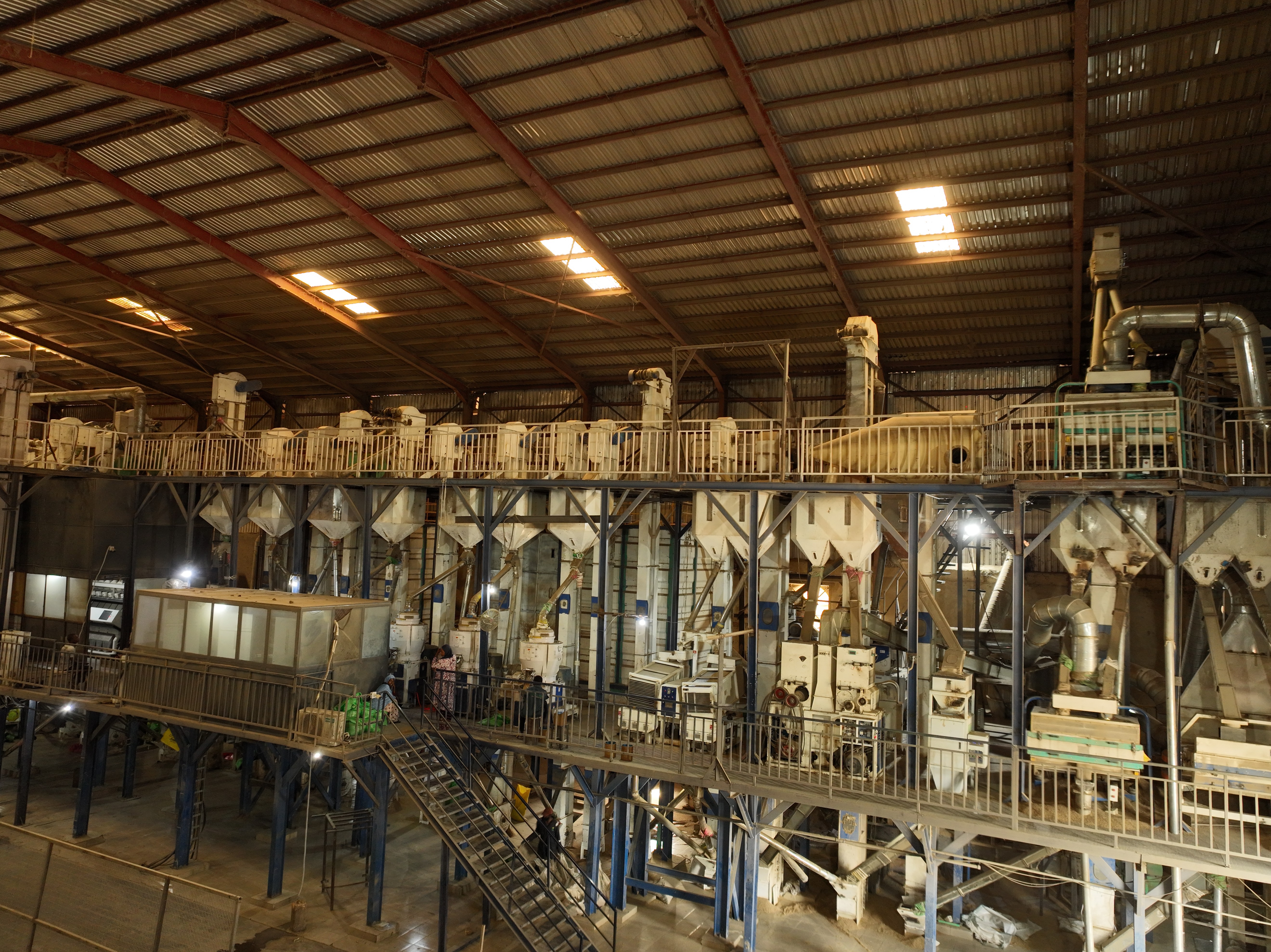
Milling and processing
Packaging and distribution
By offering stable, year-round employment, Sagad Farms helps families achieve financial stability. This lifts local economies, improves living standards, and reduces rural-to-urban migration among young people.
2. Training and Capacity Building for Local Farmers
One of the most impactful ways Sagad Farms supports rural communities is through farmer education. Many smallholder farmers want to improve their harvests but lack access to new techniques or updated agricultural knowledge.
Sagad Farms regularly hosts training sessions that teach farmers how to:
Select high-yield seed varieties
Use modern planting techniques
Improve soil health
Manage irrigation more efficiently
Reduce post-harvest losses
Use technology to predict weather patterns
Implement sustainable farming practices
These programs give farmers practical tools that lead to higher yields and better income, lifting entire households out of poverty.
3. Providing Access to Quality Seeds and Modern Tools
Many rural farmers struggle with low-quality seeds that produce weak crops. Sagad Farms helps by supplying:
Certified, high-yield rice seeds
Tools such as planters, threshers, and harvesters
Fertilizers and soil enhancers
Access to clean water and irrigation channels
These inputs significantly improve productivity. When farmers have access to better seeds and technology, they spend less, grow more, and earn more.
4. Offering Fair and Stable Market Access
A major challenge Nigerian farmers face is the lack of guaranteed buyers. Without a stable market, farmers often sell their produce at extremely low prices just to survive.
Sagad Farms eliminates this uncertainty by:
Purchasing rice paddy directly from local farmers
Offering fair, transparent, and competitive prices
Signing long-term purchase agreements
Ensuring timely payments
This system gives farmers financial predictability, reduces market exploitation, and allows them to plan for the future confidently.
5. Promoting Women and Youth Inclusion
In many rural communities, women and young people play important roles in agriculture but are often overlooked. Sagad Farms intentionally creates opportunities for:
Women-led farm groups
Youth cooperatives
Skills development workshops tailored for young farmers
Leadership training for rural women
Employment for rural youth in processing and logistics
By empowering women and young people, Sagad Farms drives long-term community development, entrepreneurship, and shared prosperity.
6. Investing in Rural Infrastructure
Where farms thrive, communities thrive. Sagad Farms invests in rural infrastructure to support both agricultural growth and community well-being.
Examples include:
Road repairs to ease paddy transportation
Improvements to irrigation channels
Construction of small bridges and access routes
Solar-powered water pumps
Support for community storage facilities
These investments not only improve farm productivity but also enhance daily life for local residents—making schools, markets, and hospitals easier to reach.
7. Supporting Food Security and Local Production
Nigeria still imports large quantities of rice, even though the country has the land and climate to produce high-quality rice locally. Sagad Farms’ work directly strengthens Nigeria’s food system by:
Expanding local rice production
Reducing reliance on foreign imports
Ensuring stable supply chains
Producing high-quality rice that matches imported brands
Making local rice more affordable and accessible
This contributes to national food security, especially in periods of global economic uncertainty.
8. Encouraging Sustainable Farming Practices
Sagad Farms believes in farming without harming the environment. Its sustainability initiatives include:
Reduced use of harsh chemicals
Adoption of organic fertilizers where possible
Use of precision technology to minimize waste
Crop rotation to maintain soil quality
Proper water management
Training farmers on eco-friendly methods
These practices protect the environment, improve soil fertility, and ensure long-term agricultural success for future generations.
9. Strengthening Community Relationships and Culture
Agriculture is deeply tied to community identity. Sagad Farms maintains open relationships with community leaders, cooperatives, and families. Regular engagements include:
Farm open days
Community meetings
Feedback sessions
Support for local cultural events
Sponsorship of youth and sports programs
By honoring local traditions, Sagad Farms builds trust and strengthens bonds with the people who make the farm’s success possible.
10. Contributing to Education and Social Development
Beyond agriculture, Sagad Farms invests in human capital through:
Scholarships for children of farmers
School supplies and classroom renovation programs
Health outreach initiatives
Clean water projects
Support for local entrepreneurship
These programs uplift communities holistically—not just economically, but also socially and educationally.
Why Sagad Farms’ Community Support Matters
In rural Nigeria, a farm is more than a place where crops are grown—it is the center of community life. When companies like Sagad Farms take an active role in developing rural areas, the impact is powerful and long-lasting.
Through employment, training, fair markets, infrastructure investment, and social programs, Sagad Farms helps create:
Stronger families
Better-educated children
More resilient farmers
Sustainable agricultural ecosystems
Thriving communities
This is the kind of agricultural model Nigeria needs to build a food-secure future—one where farmers are valued, empowered, and equipped for success.
Conclusion: Growing Rice, Growing Communities
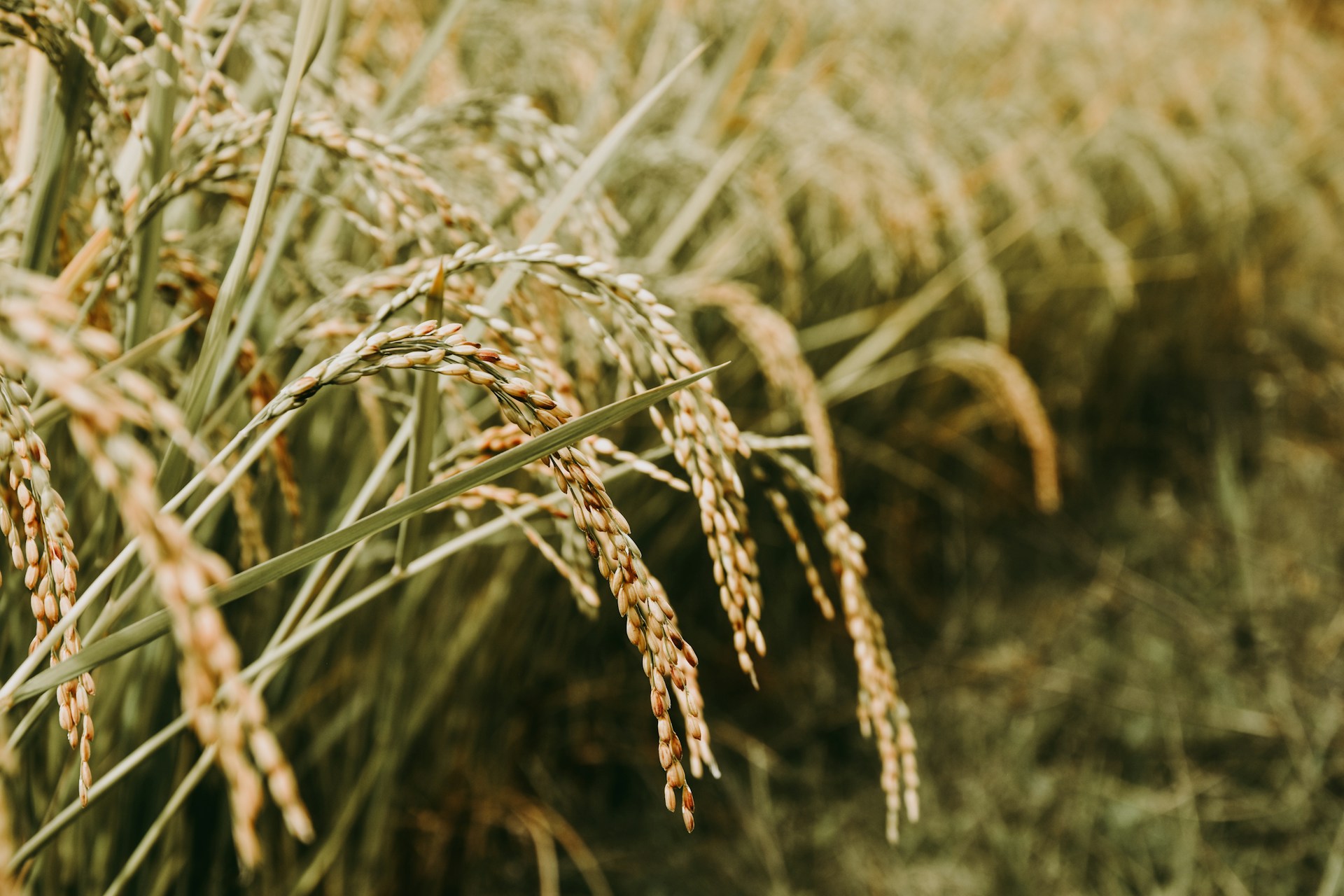
Sagad Farms is not only producing premium-quality Nigerian rice—it is growing opportunities, transforming rural lives, and contributing to national development. By prioritizing people as much as production, the farm sets a powerful example of what responsible agriculture looks like.
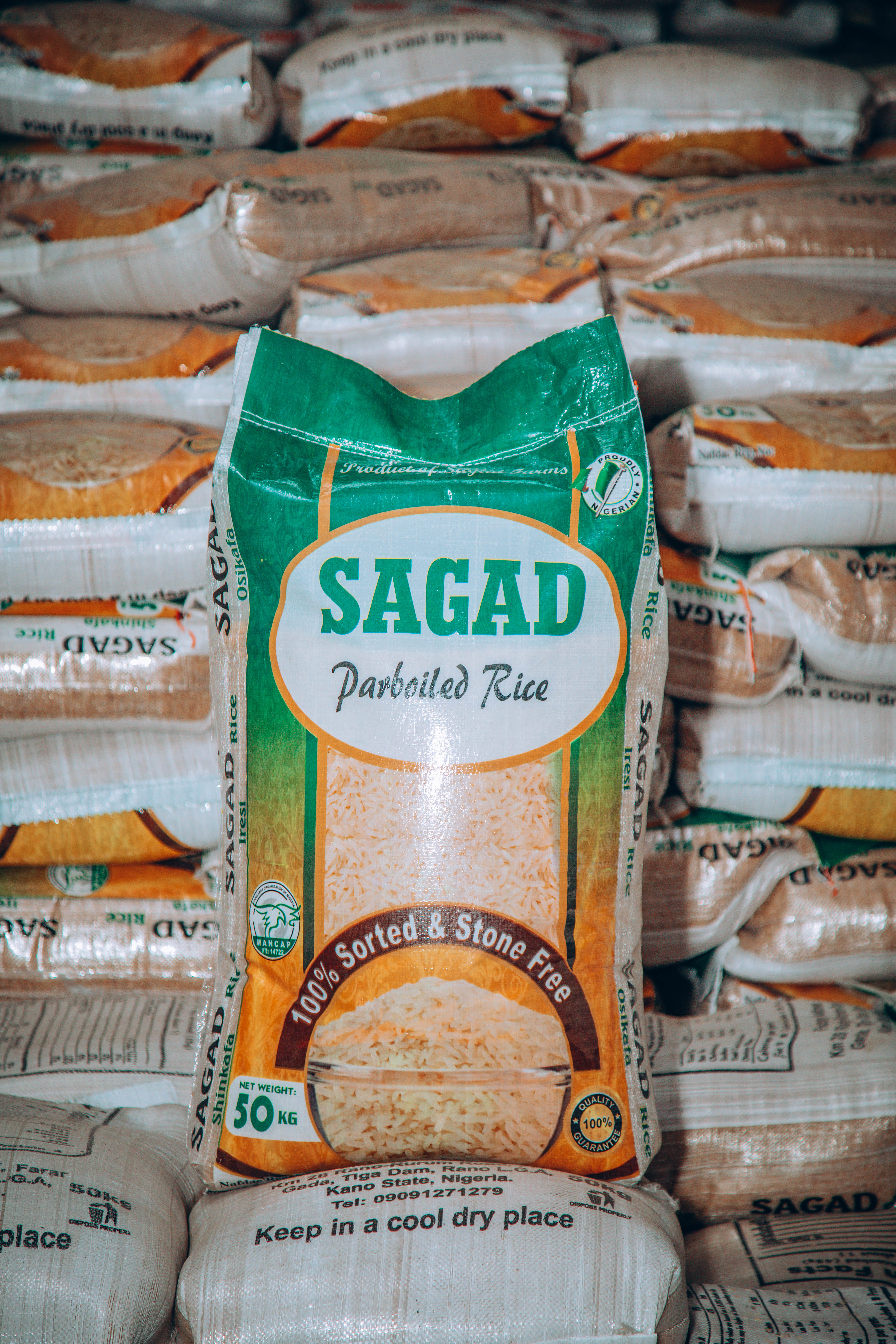
Every bag of Sagad Rice represents more than clean, delicious grains. It represents:
jobs created,
farmers empowered,
communities uplifted, and
a brighter future for Nigeria’s agricultural sector.
When you choose Sagad Rice, you’re supporting a company that gives back to the very communities that grow your food.
